Amazon Reaches Proposed $201.4 Million Settlement in Washington Social Casino Apps Lawsuit
 A proposed settlement worth $201.4 million has emerged in a class-action lawsuit that accuses Amazon of permitting social casino applications on its Appstore in ways that allegedly violated Washington state gambling and consumer protection statutes. The agreement shifts the responsibility for funding eligible refunds away from Amazon itself and toward the developers of those applications, while Amazon maintains its denial of any legal violations yet chooses not to contest the proposed relief measures. The underlying case traces back to a 2018 decision by the Ninth Circuit Court of Appeals that classified certain in-app purchases within social gaming platforms as forms of gambling under Washington law. Plaintiffs argued that Amazon facilitated access to these applications and processed related transactions without adequate safeguards, thereby exposing users to unregulated gambling mechanics. Court records indicate that the litigation focused on how these apps allowed users to purchase virtual currency for games of chance, with outcomes that mirrored traditional casino activities. Under the terms of the proposed deal, class counsel gains authority to seek direct reimbursements from the app developers rather than requiring Amazon to disburse funds upfront. Eligible class members who made qualifying purchases could receive refunds once developers provide the necessary compensation pools. The structure avoids any admission of liability on Amazon's part and instead centers on practical mechanisms for addressing consumer claims that accumulated over several years of Appstore operations.
Legal Background and Key Developments
Washington's consumer protection framework and gambling regulations formed the foundation for the claims, which centered on whether social casino apps constituted illegal gambling devices when distributed through major digital marketplaces. The Ninth Circuit's earlier ruling established precedent that treated virtual currency purchases leading to randomized rewards as wagers, prompting renewed scrutiny of platforms that hosted such content. Amazon's Appstore policies came under examination because the company earned commissions on in-app transactions while listing applications that featured these mechanics.
Observers note that similar disputes have appeared in other jurisdictions where digital storefronts intersect with evolving definitions of gambling. Data from court filings show that the class encompassed Washington residents who engaged with the targeted applications between specific dates tied to the ruling and subsequent enforcement periods. The settlement negotiations produced a framework that preserves Amazon's position while enabling recovery pathways funded externally.Mechanics of the Proposed Relief
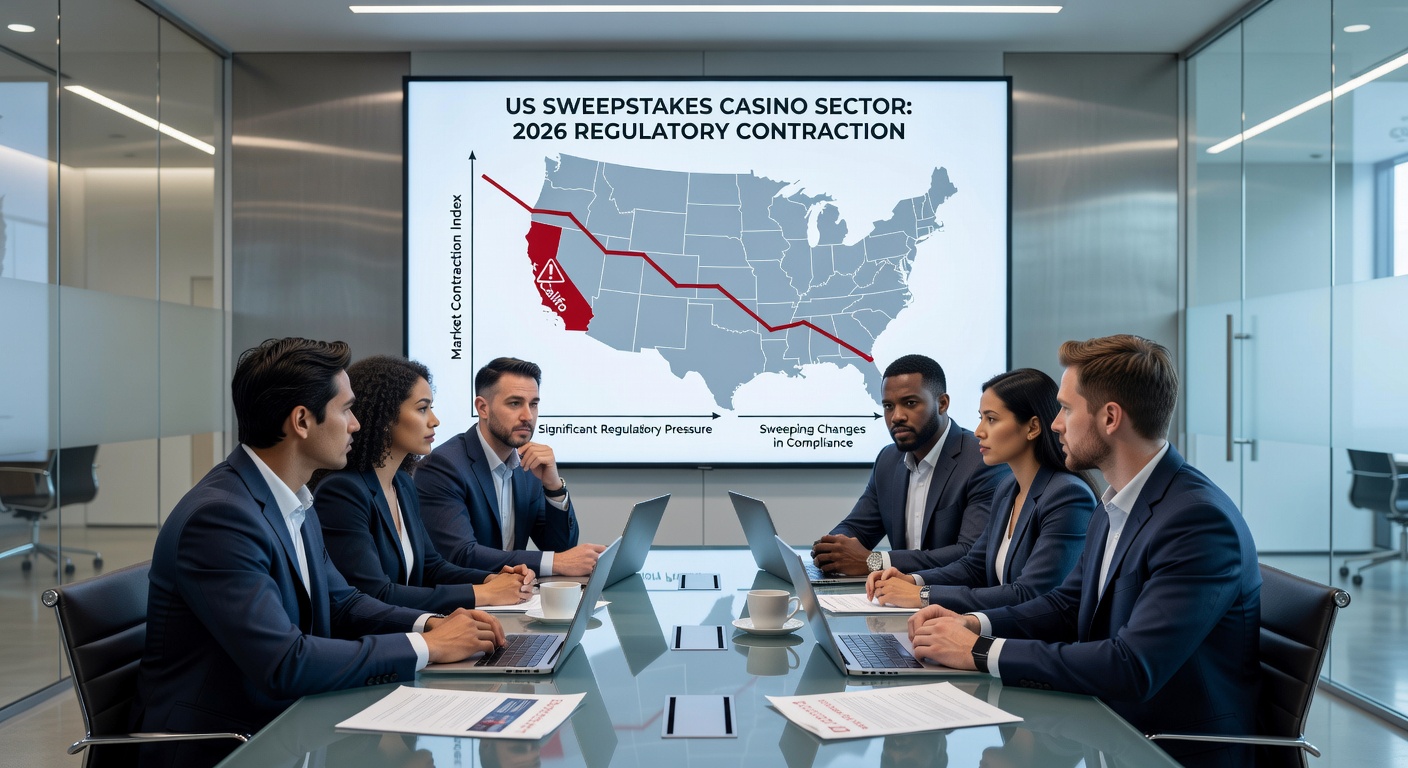 The arrangement delegates refund administration to class counsel, who will coordinate collections from participating developers. Those developers, rather than Amazon, supply the capital for valid claims, creating a reimbursement structure that bypasses direct corporate outlays by teh retailer. Documentation submitted to the court outlines eligibility criteria based on purchase records and residency verification, with timelines established for claim submission and distribution once funding commitments are secured. Amazon retains its stance that it did not breach applicable laws, yet the company refrains from opposing the relief package because it aligns with resolution goals without requiring acknowledgment of fault. Legal analysts tracking the case highlight how this approach mirrors other technology-sector settlements where platforms facilitate third-party content yet seek to limit their financial exposure through developer-side obligations.
Broader Context in Digital Marketplace Regulation
Industry reports from sources such as the casino.org coverage of the proceedings indicate that the case reflects ongoing tensions between app distribution models and state-level gambling enforcement. Additional perspectives appear in analyses from the National Center for Responsible Gaming, which has examined how social gaming mechanics overlap with regulatory definitions across multiple states. The settlement does not alter Amazon's general Appstore guidelines but does establish a precedent for handling similar claims through developer-funded remedies.
Washington state officials have continued to monitor digital gambling products, and the resolution provides one pathway for addressing accumulated consumer complaints without protracted trial proceedings. Court approval remains pending, with the proposed terms subject to review for fairness and adequacy to the class.