Player Networks Reveal How Blackjack Side Bet Frequencies Shift with Table Limits in Regulated Markets
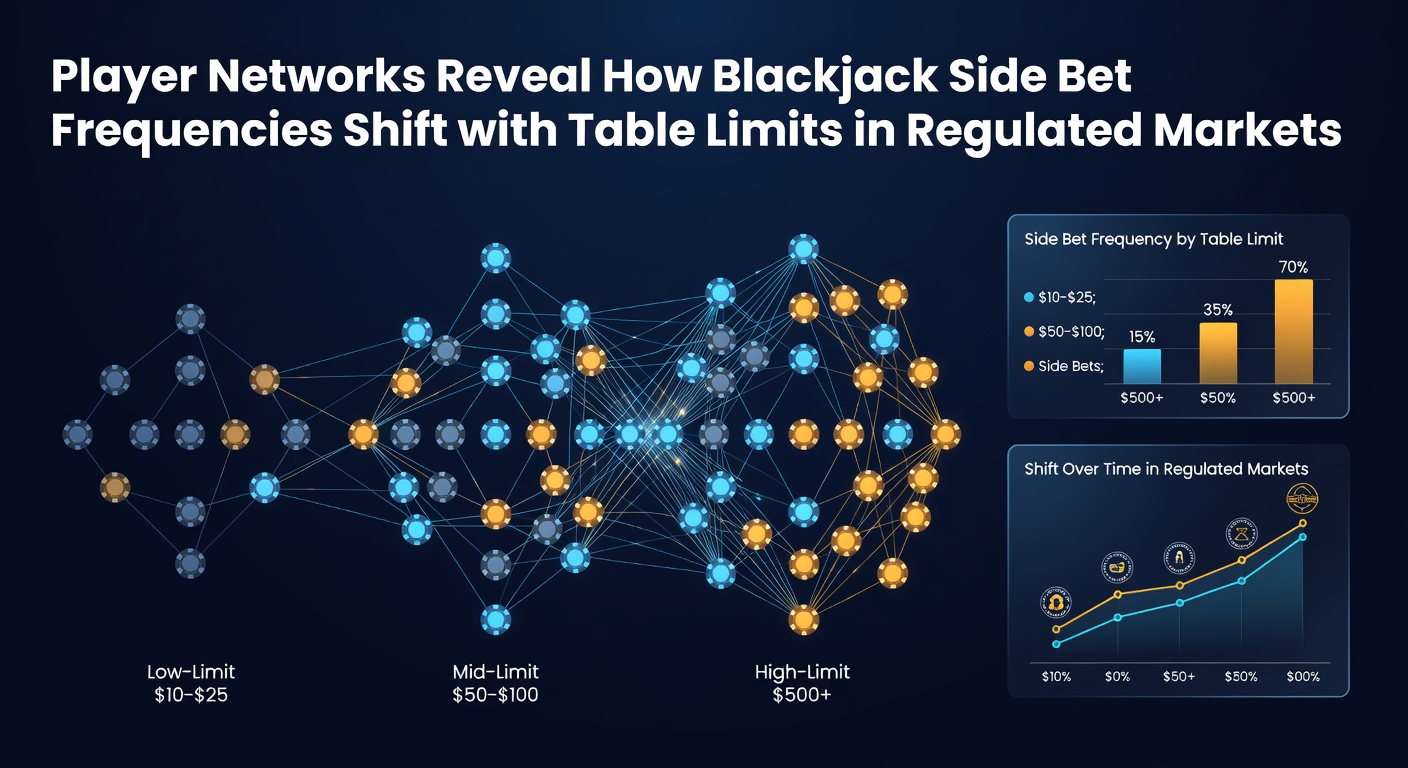
Player networks across regulated gambling jurisdictions compile extensive datasets from shared session logs, forum discussions, and aggregated tracking tools, and these resources show clear patterns in how blackjack side bet participation changes when table limits adjust. Observers note that minimum and maximum wager thresholds directly affect the volume of optional bets like Perfect Pairs, 21+3, and insurance, since players adjust their overall exposure based on the cost of entry at each table.
Network Data Collection Methods and Scope
Those who participate in player networks often upload anonymized hand histories from both land-based and online platforms, while researchers cross-reference these records against official regulatory filings to build comprehensive pictures of betting behavior. Data indicates that networks covering markets in Nevada, Ontario, and parts of Australia capture thousands of sessions monthly, allowing analysts to isolate variables such as table minimums ranging from $5 to $100 and maximums that stretch into the thousands. Studies compiled through these channels reveal consistent correlations between higher minimums and reduced side bet activity, whereas lower-limit tables see increased experimentation with optional wagers because players can spread risk across more hands without exceeding personal bankroll parameters.
Side Bet Categories and Frequency Patterns
Common side bets fall into distinct groups, including insurance-style protections, poker-hand hybrids, and progressive jackpots, each carrying different house edges that players weigh against table stakes. Network analysis shows insurance bets appear more frequently at mid-range limits around $25 minimums, where the underlying insurance decision aligns closely with basic strategy deviations, while exotic options like Lucky Ladies spike at lower limits because smaller base bets leave room for additional wagers without pushing total exposure beyond comfort levels. Figures from multiple jurisdictions demonstrate that when tables raise minimums above $50, the proportion of hands featuring any side bet drops measurably, since players concentrate chips on the primary wager to maintain session longevity.
Impact of Table Limits on Participation Rates
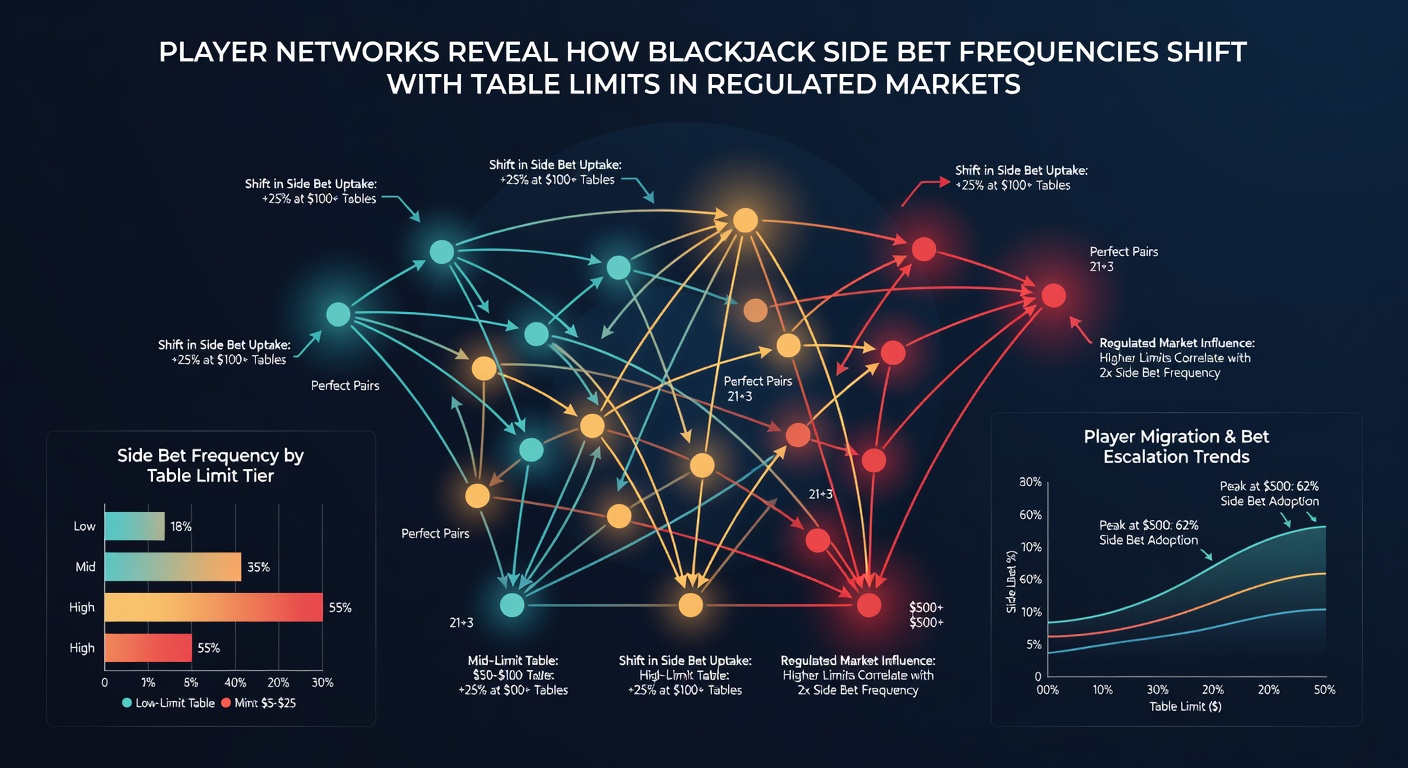
Table limits operate as gatekeepers that reshape decision-making across entire player populations, and network visualizations map these shifts through heatmaps of side bet usage overlaid on limit brackets. When casinos increase minimums, data shows a migration toward tables where side bets remain accessible, yet overall frequency per hand declines because fewer players enter the game at higher entry points. Conversely, reductions in table maximums during promotional periods correlate with spikes in progressive side bet activity, since capped main bets free up capital that moves into jackpot-style options. Regulated operators in multiple regions report these dynamics through monthly summaries that player networks then dissect for trends extending beyond single properties.
Regional Comparisons and June 2026 Updates
June 2026 brought fresh regulatory filings from several markets that aligned closely with network observations, including expanded reporting requirements in certain Canadian provinces and continued data releases from Nevada authorities. According to Nevada Gaming Control Board filings, side bet handle as a percentage of total blackjack revenue held steady at lower-limit tables while showing contraction at premium sections. In Ontario, aggregated reports from the Alcohol and Gaming Commission highlighted similar patterns, with networks confirming that players gravitated toward $10 and $15 minimum tables when higher-limit options tightened side bet appeal. These parallel findings across jurisdictions underscore how limit structures interact with local player demographics and game availability rather than operating in isolation.
Broader Market Implications
Operators in regulated environments use these network-derived insights when calibrating floor mixes, adjusting the distribution of low-limit versus high-limit blackjack tables to balance main game revenue against ancillary side bet income. Evidence suggests that markets maintaining a wider spread of limit tiers sustain steadier side bet volumes overall, because players self-select into environments matching their preferred risk profiles. Network participants continue refining predictive models that incorporate limit changes as leading indicators, allowing forecasts of side bet uptake weeks in advance of actual floor adjustments.
Conclusion
Player networks provide granular visibility into the interplay between table limits and side bet behavior across regulated blackjack environments, and ongoing data streams from June 2026 onward continue to validate earlier patterns while revealing new nuances tied to evolving regulatory frameworks. The accumulated evidence equips both operators and analysts with actionable metrics for understanding how limit structures shape optional wager participation without relying on anecdotal reports alone.