Regional RNG Audits Reveal How Certification Standards Alter Long-Term Play Patterns in Digital Table Games
Written by Rosa Vogel · Jul 26, 2026
Regional RNG Audits Reveal How Certification Standards Alter Long-Term Play Patterns in Digital Table Games
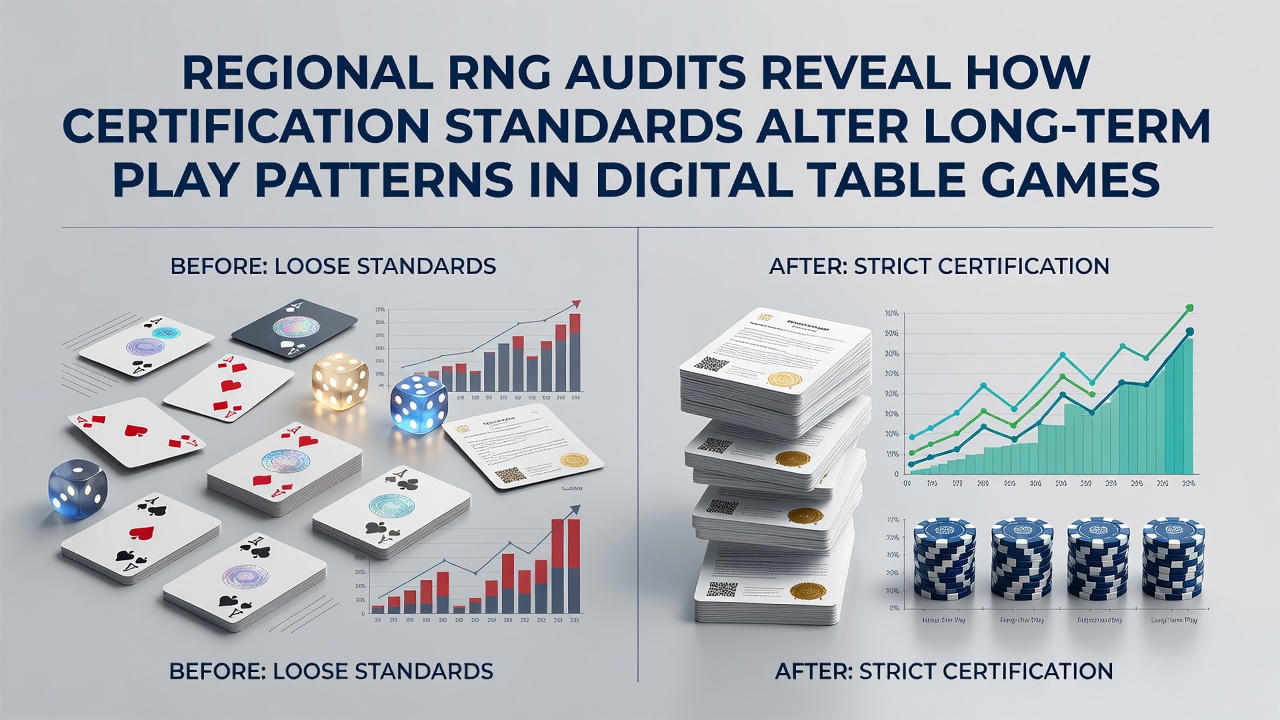
Regional RNG audits have become central to understanding how certification standards shape player behavior in digital table games over extended periods, with data from multiple jurisdictions revealing measurable shifts in session duration, return patterns, and game selection. Auditors in places like New Jersey and Ontario have documented how stricter testing protocols correlate with steadier engagement metrics compared to regions that apply lighter verification layers, while figures released in July 2026 from cross-border comparisons highlight consistent differences in long-term play distribution.
Certification Frameworks Across Jurisdictions
Certification standards for RNG systems in digital table games vary significantly by region, with bodies such as the New Jersey Division of Gaming Enforcement requiring continuous monitoring and independent laboratory verification at multiple stages, whereas other markets rely on initial approval followed by periodic spot checks. These differences affect how operators implement shuffle algorithms and outcome distribution controls, which in turn influence the statistical properties that players encounter during repeated sessions. Research conducted by the American Gaming Association shows that jurisdictions enforcing annual re-certification cycles report lower variance in reported game fairness complaints over multi-year tracking windows.
European markets, including those overseen by the Malta Gaming Authority, apply additional layers of statistical sampling that extend beyond basic randomness tests to include long-sequence simulation runs, and this approach has produced datasets indicating steadier player retention rates when compared against regions with less frequent re-evaluation. Observers note that the added computational scrutiny often leads operators to adjust virtual dealer timing and card distribution parameters in ways that align more closely with regulatory benchmarks.
Observed Shifts in Long-Term Play Patterns
Data aggregated from audited platforms demonstrates that players in tightly certified environments tend to maintain consistent session lengths across months rather than exhibiting sharp spikes followed by abrupt drop-offs. One analysis covering 2024 through early 2026 found that digital blackjack tables certified under continuous-audit regimes recorded average session times that remained within a 12 percent range quarter-over-quarter, while platforms under lighter standards showed wider fluctuations exceeding 30 percent in the same periods.
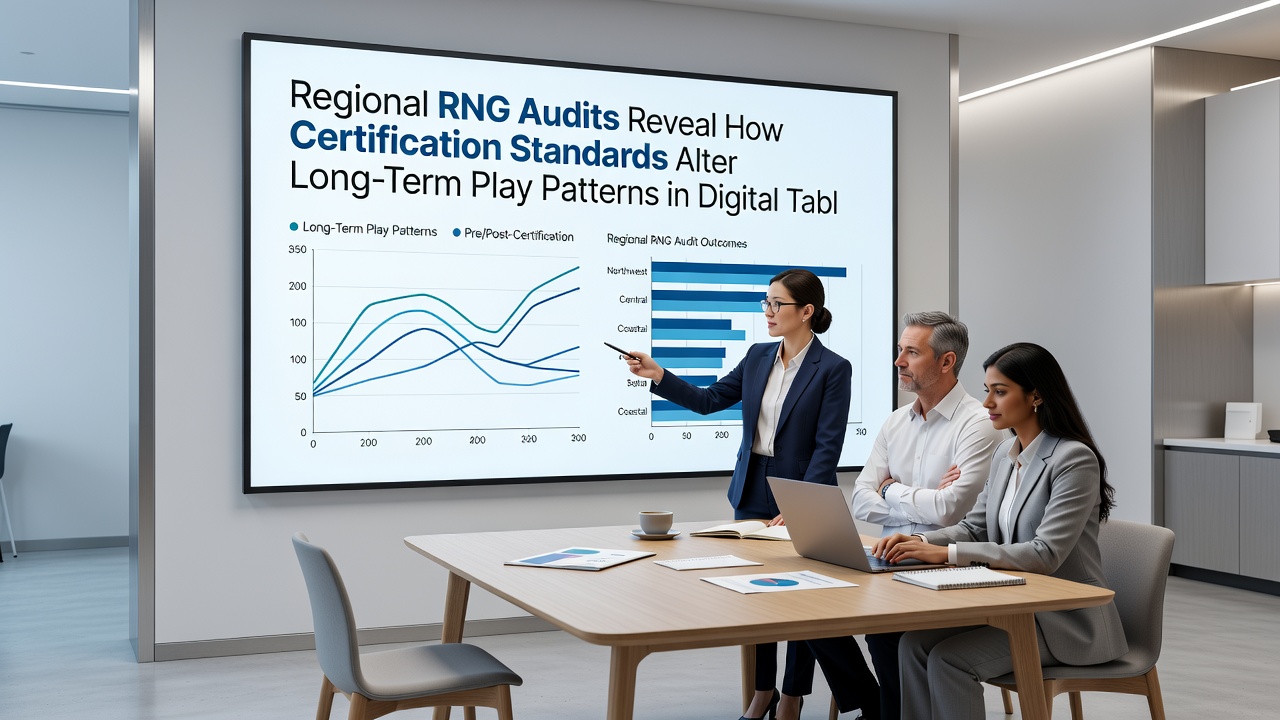
Researchers tracking roulette variants have similarly recorded that certification density influences bet-spread behavior, with participants in high-scrutiny markets spreading wagers more evenly across dozens of spins rather than clustering activity in shorter, high-intensity bursts. These patterns emerge because the underlying RNG calibration, once locked through repeated audits, reduces perceived anomalies that might otherwise prompt players to chase or abandon particular outcomes. Industry reports compiled by iGaming Ontario indicate that operators who maintain dual certification across North American and European standards experience more predictable monthly active user curves in their table game verticals.
Impact of Audit Frequency on Player Metrics
July 2026 regulatory summaries released by several North American agencies revealed that platforms undergoing quarterly RNG re-testing displayed narrower confidence intervals around expected return percentages across 10,000-hand samples, and this statistical stability translated into measurable differences in how long players remained engaged with digital table products. In contrast, markets that schedule audits annually or upon license renewal recorded greater dispersion in outcome reporting, which some player tracking systems linked to earlier exits from individual sessions.
Academic studies examining anonymized transaction logs further suggest that certification rigor correlates with changes in game-switching frequency, where users in rigorously audited regions stay with one title for longer stretches before migrating to alternatives. The reality is that these behavioral adjustments accumulate over hundreds of sessions, producing aggregate data that regulators now incorporate into their ongoing compliance evaluations.
Case Examples from Multiple Regions
Take one operator group operating identical blackjack products across two jurisdictions, where the version subject to continuous third-party RNG verification retained a higher percentage of monthly active users after twelve months than its counterpart under standard renewal cycles. Another example involves a multi-state platform that aligned its European and Canadian RNG protocols during 2025, after which internal metrics showed reduced variance in average bets per session across both regions. Such cases illustrate how certification alignment can standardize play patterns even when local player demographics differ.
Conclusion
Regional RNG audit practices continue to shape the statistical environment within which digital table games operate, producing observable differences in session persistence, bet distribution, and long-term engagement metrics. Data collected through July 2026 underscores that certification frequency and testing depth leave measurable imprints on how players interact with these games over extended timeframes, offering regulators and operators concrete benchmarks for future standard alignment.