Sweepstakes Casino Sector Confronts State Regulatory Changes in Early 2026

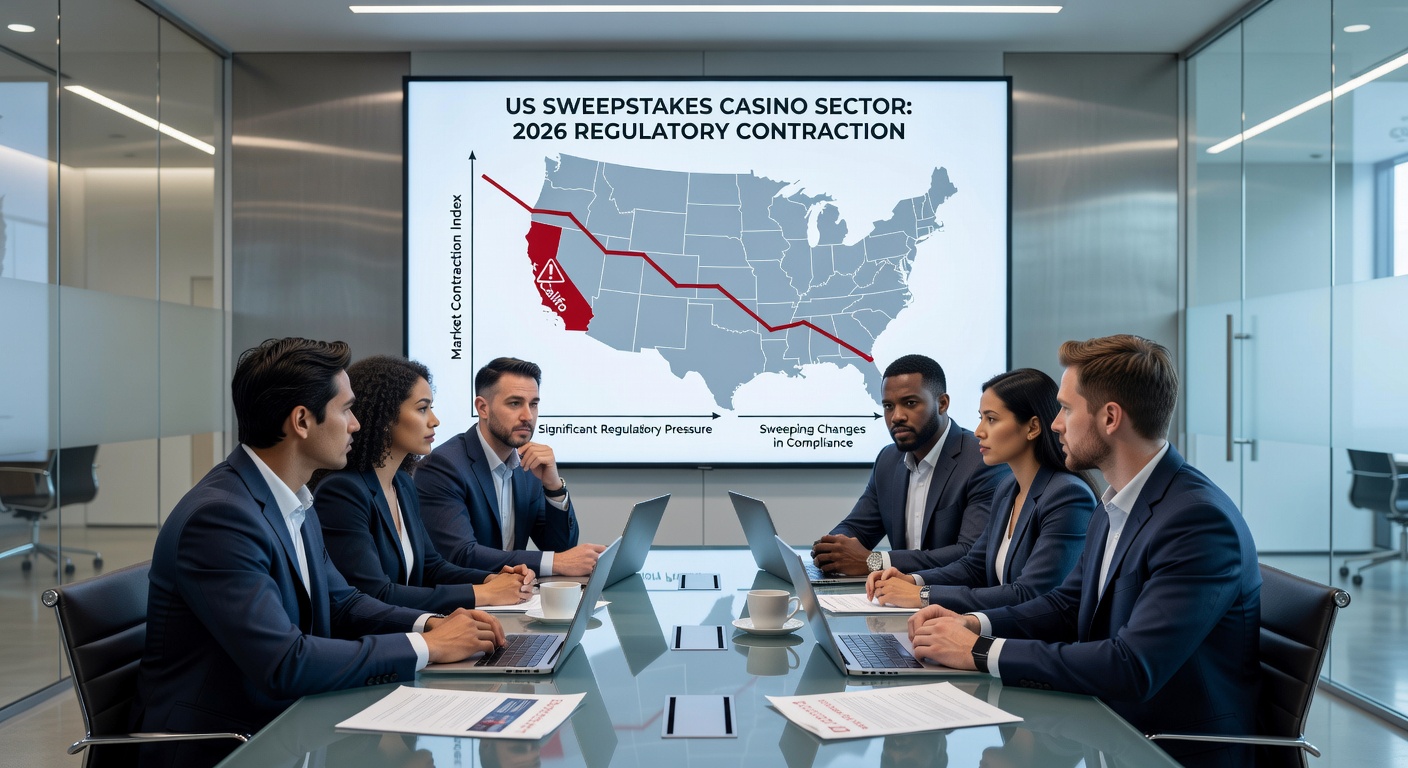
The US sweepstakes casino sector entered 2026 facing significant regulatory contraction, with California’s Assembly Bill 831 taking effect January 1 and eliminating an estimated one-fifth of national revenue; additional closures followed or were scheduled in states including Indiana under House Bill 1052 signed March 2026 with enforcement set for July 1 while earlier exits occurred during 2025 in Maine, New York, Connecticut, Mississippi, Louisiana, Montana, and Nevada.
Operators tracked these developments closely because the cumulative effect reduced available markets and forced immediate portfolio adjustments across multiple platforms. Data from industry tracking sources showed revenue concentration shifting away from restricted jurisdictions toward remaining operational areas.
California Legislation Sets Precedent for Broader Restrictions
Assembly Bill 831 established new compliance requirements that removed sweepstakes casino operations from California markets starting the first day of 2026, and analysts estimated the state had previously accounted for roughly twenty percent of total sector revenue. The bill's enforcement created a template that other legislatures referenced when drafting their own measures, leading to coordinated state-level actions throughout the year.
Those who've studied this know the legislation targeted specific promotional mechanics common in sweepstakes models, and operators responded by withdrawing services rather than attempting to restructure under the new rules. Revenue projections released after the bill passed indicated sharp declines for companies that had relied heavily on California players.
Additional States Implement Exit Timelines
Indiana’s House Bill 1052, signed in March 2026, scheduled enforcement for July 1 of the same year and joined a growing list of jurisdictions that had already closed access. Earlier 2025 exits in Maine, New York, Connecticut, Mississippi, Louisiana, Montana, and Nevada established a pattern of progressive market contraction that continued into the new year. Each state cited consumer protection and regulatory clarity as primary motivations in their legislative records.
Observers note that staggered enforcement dates allowed some operators brief windows to transition users, yet the overall trend pointed toward fewer available states for sweepstakes offerings. Figures reveal the combined impact covered a substantial portion of previous national activity.
Operator Adjustments and Strategic Shifts
Major operators like Virtual Gaming Worlds, parent company of Chumba Casino and LuckyLand Slots, exited multiple states while launching new brands such as LuckyLand Casino and Just Slots. The company redirected focus toward portfolio engineering, responsible-play messaging, and alternative models amid ongoing litigation and marketing restrictions. These moves reflected efforts to maintain presence in permitted jurisdictions while preparing for potential further changes.
According to reports from Casino Center, several firms adopted similar approaches that emphasized diversified product lines and compliance messaging. Research indicates companies that diversified earlier encountered fewer disruptions when individual states enacted bans. The reality is that litigation in some jurisdictions remained active even after exits, creating additional layers of legal planning.
People who've tracked operator filings note that responsible-play features gained prominence in remaining markets as a way to demonstrate commitment to regulatory expectations. Alternative models under consideration included hybrid structures that might operate outside traditional sweepstakes frameworks, though implementation timelines varied by company.
Market Implications and Ongoing Developments
Revenue contraction extended beyond direct operator losses because affiliated marketing and technology providers also faced reduced demand. States that retained sweepstakes operations saw increased competition among remaining platforms as displaced users migrated. Data shows concentration of activity in fewer jurisdictions heightened scrutiny from regulators in those areas.
But here's the thing: companies that had built national footprints before the wave of restrictions now operated with narrower geographic reach, prompting reviews of long-term business models. Industry associations began compiling comparative analyses of state policies to assist members navigating the shifting landscape.
Conclusion
The sequence of state actions from 2025 through mid-2026 produced measurable contraction in the sweepstakes casino sector, with California’s contribution loss serving as the largest single impact. Virtual Gaming Worlds and similar operators adjusted through brand launches, messaging changes, and strategic repositioning while litigation continued in select locations. The pattern of regulatory tightening established a new operating environment that required ongoing adaptation from all participants.